

Bija/Seed mantras
The Tantric sect of Hinduism has a set of single-syllable bija or seed mantras representing the various invocations of forms of Hindu gods and goddesses, particularly associated with the Shakti tradition. The Shakti tradition worships a feminine Supreme Being, the “Divine Mother”, and shakti itself means the dynamism, energy, or power of the Supreme Goddess in the manifest universe. These seed syllables are thought to invoke certain frequencies of vibration in the spirit that call forth the qualities the god or goddess is known for. Om or Aum is a well-known seed mantra associated with Shiva, the principal male deity in Hinduism. Om is thought to represent the entire rising and dissolution of the universe in its single syllable, the universal sound that hums eternally in the background of creation. The intonation of Om aligns the chanter with this universal cosmic vibration.
Here are some commonly used bija mantras and the goddess or god aspects they represent:
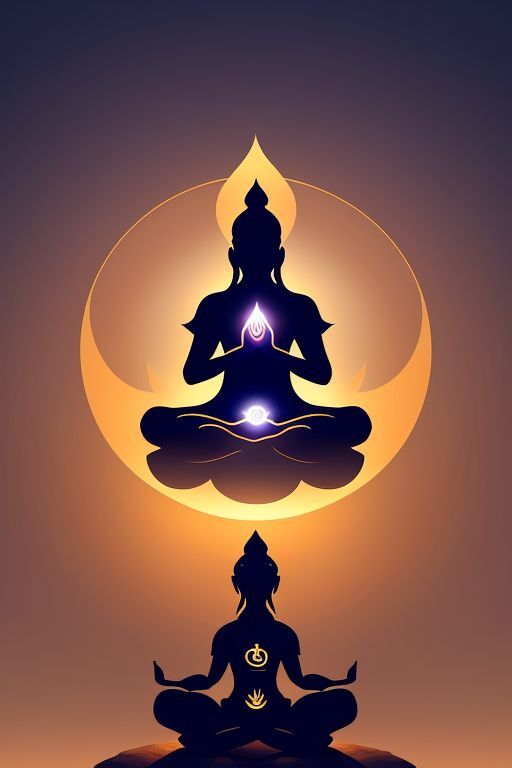
- ॐ (Om):
- Deity: Lord Shiva
- Qualities: Represents the universal cosmic vibration; aligns the chanter with the eternal sound of creation.
- हौं (Haum):
- Deity: Lord Shiva
- Qualities: Symbolizes the power, strength, and transformative energy of Lord Shiva.
- ऐं (Aim):
- Deity: Goddess Saraswati
- Qualities: Evokes wisdom, knowledge, creativity, and artistic expression.
- क्लीं (Kleem):
- Deity: Goddess Tripura Sundari, Sri Vidya tradition
- Qualities: Represents the divine feminine energy, love, attraction, healing, and spiritual realization.
- श्रीं (Shreem):
- Deity: Goddess Lakshmi
- Qualities: Brings abundance, prosperity, wealth, and spiritual growth.
- ह्रीं (Hreem):
- Deity: Goddess Mahamaya or Goddess Durga
- Qualities: Represents feminine power, divine grace, and liberation from limitations.
- क्रीं (Kreem):
- Deity: Goddess Kali
- Qualities: Signifies the fierce, protective, and transformative aspects of the goddess.
- दुं (Dhum):
- Deity: Lord Dhumavati
- Qualities: Invokes the energy of letting go, release, and liberation from attachments.
These bija mantras can be chanted or meditated upon to tap into the specific qualities and energies of the associated deities. They are believed to have profound spiritual effects.
(AI-generated)
Chakras and Seed Mantras
Another set of bija mantras is related directly to the chakras of Indian spirituality. The chakras are an essential concept in Hindu spirituality. Chakras are the energy vortices or centers of the human subtle anatomy.
These energy vortices are believed to be interconnected and correspond to different aspects of our physical, emotional, and spiritual well-being. There are generally seven main chakras, each associated with specific qualities, elements, locations in the body, and spiritual aspects. Here is a brief overview of the seven chakras:
- Root Chakra (Muladhara):
Location: Base of the spine
Element: Earth
Qualities: Grounding, stability, survival instincts
Symbolizes: Physical vitality, safety, and security - Sacral Chakra (Swadhisthana):
Location: Lower abdomen, below the navel
Element: Water
Qualities: Creativity, pleasure, emotional well-being
Symbolizes: Sensuality, passion, and harmonious relationships - Solar Plexus Chakra (Manipura):
Location: Upper abdomen, near the diaphragm
Element: Fire
Qualities: Personal power, confidence, willpower
Symbolizes: Self-esteem, inner strength, and sense of control - Heart Chakra (Anahata):
Location: Center of the chest
Element: Air
Qualities: Love, compassion, forgiveness
Symbolizes: Emotional healing, unconditional love, and harmony - Throat Chakra (Vishuddha):
Location: Throat region
Element: Ether
Qualities: Communication, self-expression, truth
Symbolizes: Clear and authentic expression of thoughts and emotions - Third Eye Chakra (Ajna):
Location: Between the eyebrows, slightly above
Element: Light
Qualities: Intuition, insight, spiritual awareness
Symbolizes: Inner wisdom, clarity, and enhanced perception - Crown Chakra (Sahasrara):
Location: Top of the head
Element: Thought
Qualities: Connection to the divine, spiritual enlightenment
Symbolizes: Transcendence, higher consciousness, and spiritual union
The balance and free flow of energy through these chakras are believed to contribute to our overall physical, mental, and spiritual health. Practices such as meditation, yoga, breathwork, chanting, and specific visualizations are often used to activate and harmonize the chakras. By working with the chakras, individuals seek to achieve greater self-awareness, spiritual growth, and alignment with the universal energies. Keep in mind that these explanations are a simplified overview, and the chakras are a complex and nuanced topic in Hindu spirituality.
Bija mantras are also associated with these chakras. These sacred seed syllables represent the energy centers within the human subtle anatomy and have the power to selectively vibrate or activate it, improving its health and function. Each chakra is believed to have a specific bija mantra associated with it, which can be chanted or meditated upon to activate and balance the corresponding chakra. Here are the bija mantras associated with each chakra:
- Root Chakra (Muladhara): The bija mantra is “Lam” (pronounced like “lum”). Chanting this mantra helps to awaken and activate the root chakra, promoting a sense of stability, grounding, and vitality.
- Sacral Chakra (Swadhisthana): The bija mantra is “Vam” (pronounced like “vum”). Chanting this mantra helps to stimulate and balance the sacral chakra, enhancing creativity, sensuality, and emotional well-being.
- Solar Plexus Chakra (Manipura): The bija mantra is “Ram” (pronounced like “rum”). Chanting this mantra helps to ignite and harmonize the solar plexus chakra, cultivating personal power, confidence, and willpower.
- Heart Chakra (Anahata): The bija mantra is “Yam” (pronounced like “yum”). Chanting this mantra helps to open and balance the heart chakra, fostering love, compassion, forgiveness, and emotional healing.
- Throat Chakra (Vishuddha): The bija mantra is “Ham” (pronounced like “hum”). Chanting this mantra helps to activate and purify the throat chakra, enhancing communication, self-expression, and authentic voice.
- Third Eye Chakra (Ajna): The bija mantra is “Om” (pronounced like “ohm”) for opening/vibrating the third eye chakra, facilitating intuition, insight, and spiritual awareness.
- Crown Chakra (Sahasrara): The bija mantra is “Aum” (pronounced like “a-u-m”). Chanting this mantra helps to awaken and open the crown chakra, the “thousand-petaled lotus” opening the mind to transcendental realms.
Chanting or meditating upon these bija mantras can help to purify, balance, and awaken the corresponding chakras. The vibrations created by the repetition of the bija mantras resonate with the energy centers in the body, promoting the free flow of energy and facilitating spiritual growth. By working with the bija mantras and the chakras, individuals seek to achieve greater self-awareness, alignment, and harmony within themselves and with the universal energies.
(AI-generated)
 Via Perennis